THE GREAT MEME RESET: A DIAGNOSIS
Teens wanted 2012 memes back. Here is what happened, what it meant, and why the cure was always going to become the disease.
In late 2025, a significant portion of the internet decided that brainrot had gone too far. Not all of it. But enough to constitute a movement, which they named — with the blunt efficiency that defines generation Z at its best — the Great Meme Reset.
The premise: on January 1st, 2026, memes would reset to January 1st, 2016. Rage Comics would return. Advice Animals would return. Forever Alone would return. The algorithm-optimized, AI-generated, aggressively engineered content cycle of 2025 would be replaced by something older, cruder, and — the argument went — more honest. The internet would remember what it was like before it had a job.
The Great Meme Reset is not nostalgia. It is a class action lawsuit against the algorithm.
WHY 2016 SPECIFICALLY
2016 is an interesting target. Not 2012, which was the format peak. Not 2014, which was the cultural peak. 2016, which was the last year the internet felt like something that could be understood. Before the recommendation algorithms fully replaced chronological feeds. Before content became a commodity produced at industrial scale for engagement metrics nobody who made the content would ever see.
The people proposing the reset weren't necessarily nostalgic for the specific memes. They were nostalgic for the specific relationship to memes. Finding them. Sharing them manually. Feeling like participants in something rather than recipients of content that had been optimized, A/B tested, and deployed by people whose job title includes the word 'strategy.'
WHAT ACTUALLY HAPPENED
January 1st came. Rage Comics did not return on a mass scale. The algorithm did not reset. Forever Alone came back in a modified form that interpreted the figure differently than the original intended. What actually happened was more subtle: a genuine, measurable increase in appreciation for older formats, a slightly more ironic relationship to forced trends, and a much sharper collective vocabulary for describing the exhaustion that had been building since 2024.
That vocabulary was, predictably, cooked. As in: the meme ecosystem is cooked. The content pipeline is cooked. Your attention span, which has been deliberately shortened by every platform you use, is cooked. The Great Meme Reset diagnosed the illness with precision. The patient continued eating the thing making them sick. Which is not a failure. That's just what a correct diagnosis looks like before anyone decides to do anything about it.
The Great Meme Reset did not reset memes. It reset the conversation about memes. That's not nothing. That might be everything.
YOU MIGHT ALSO ROT ON
GOING ANALOGUE
the digital detox is now a content vertical. we investigated, hypocritically.
WE FRIED THE DONUT
the glaze caramelizes. the timeline caramelizes. everyone is fine.
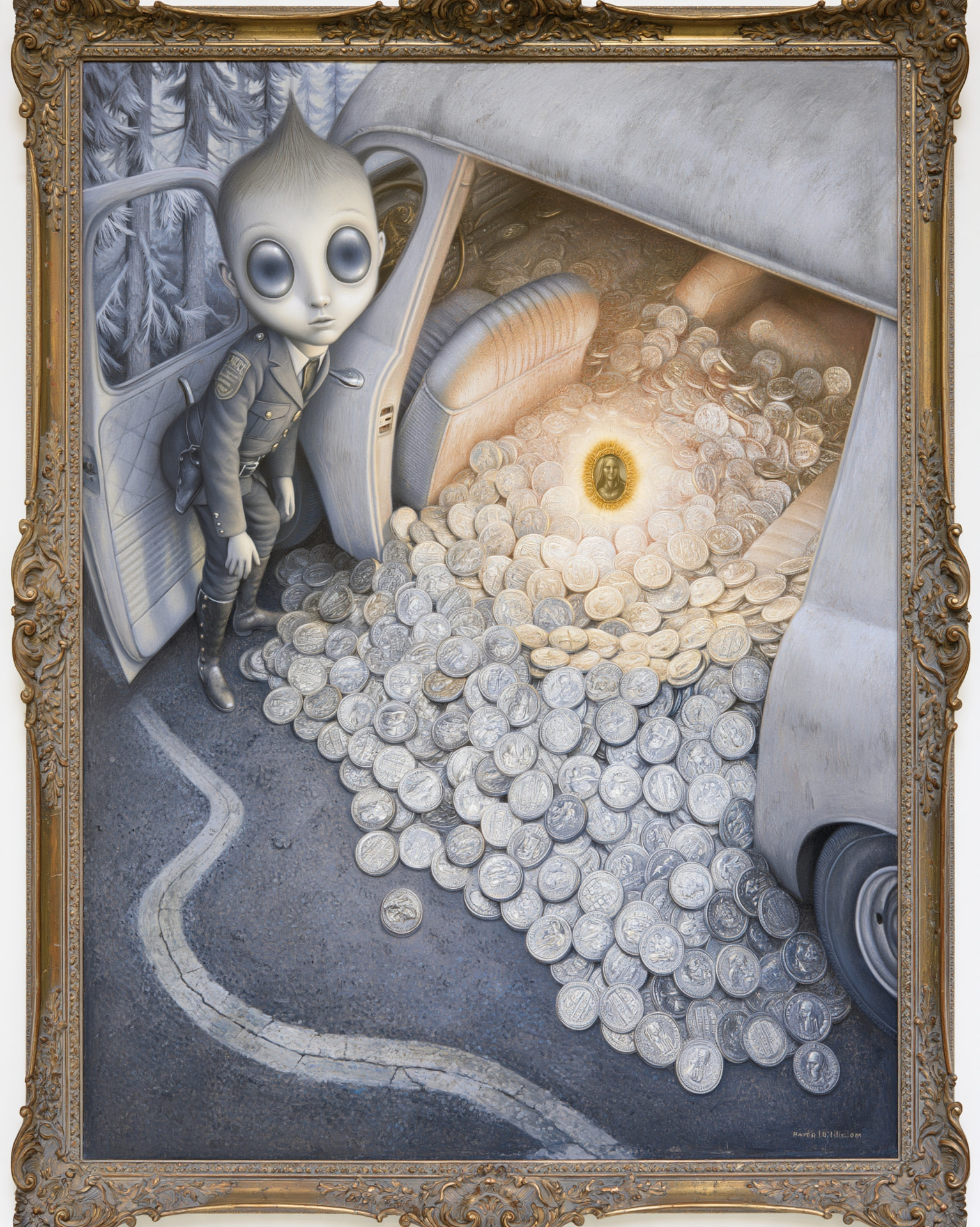
A VAN SWERVED ON A NORWEGIAN HIGHWAY AND ENDED A SEVEN-YEAR TREASURE HUNT
police stopped a van for driving erratically outside oslo. inside were tens of thousands of stolen american silver coins. a second van pulled up minutes later carrying the rest.