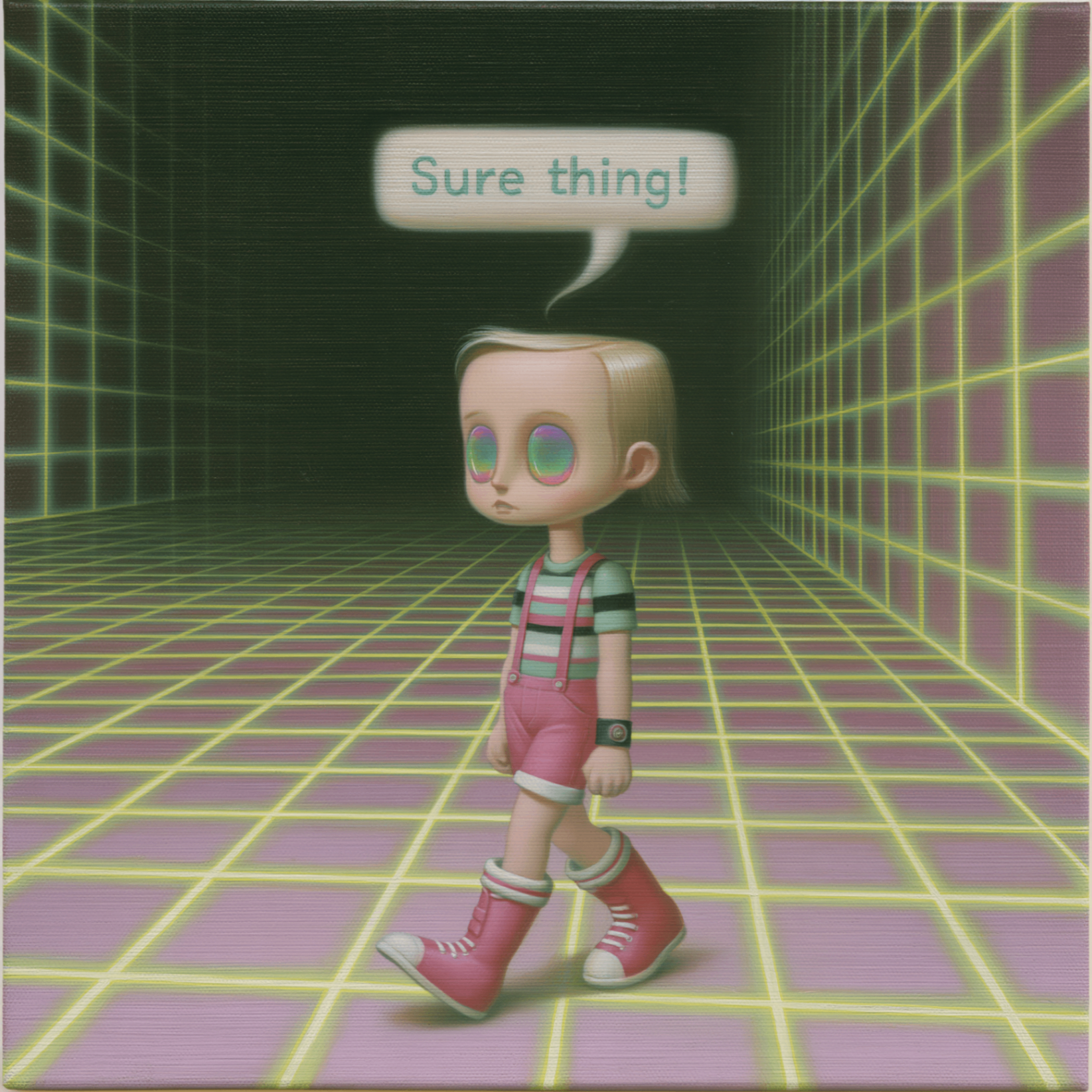
NPC BEHAVIOR: ARE YOU THE MAIN CHARACTER?
Spoiler: statistically, no. What the NPC accusation actually means, where main character energy went wrong, and the TikTok phenomenon that made it literal.
The NPC accusation is the harshest social critique the internet has produced. Not because it's mean — the internet has meaner things — but because of what it specifically implies. Being called an NPC does not mean you're a bad person. It means you're not fully a person. You're scenery. You're a quest-giver with no quest. You're the guy walking the same path in the background of someone else's game, every day, regardless of what's happening in the rest of the world.
The accusation emerged from gaming and landed in real life with remarkable speed, because it named something people had been observing without vocabulary. There are humans who move through the world on scripted responses. They have pre-loaded dialogue. Ask them a question outside the script and you see the processing delay. Ask them to react to something genuinely unexpected and you see the seams.
The worst thing about being told you have NPC behavior is structural: NPCs don't know they're NPCs. That's the entire problem.
THE MAIN CHARACTER PROBLEM
NPC behavior exists in direct opposition to main character energy, which is its own distinct and arguably more destructive pathology. Main character energy — the belief that you are the protagonist of a shared story in which everyone else is a supporting role — produces a specific kind of person who makes every conversation about themselves without being aware that this is happening, because the story they're in simply doesn't have other protagonists.
The healthy middle ground, which the internet has never successfully named, would be something like: aware of the fact that you are simultaneously the main character of your own experience and completely irrelevant to everyone else's. The Buddhist concept of anatta. The Stoic practice of memento mori applied to social situations. The Gen Z version would be: normal about it. Being normal about it turns out to be extremely difficult.
THE TIKTOK NPC PHENOMENON
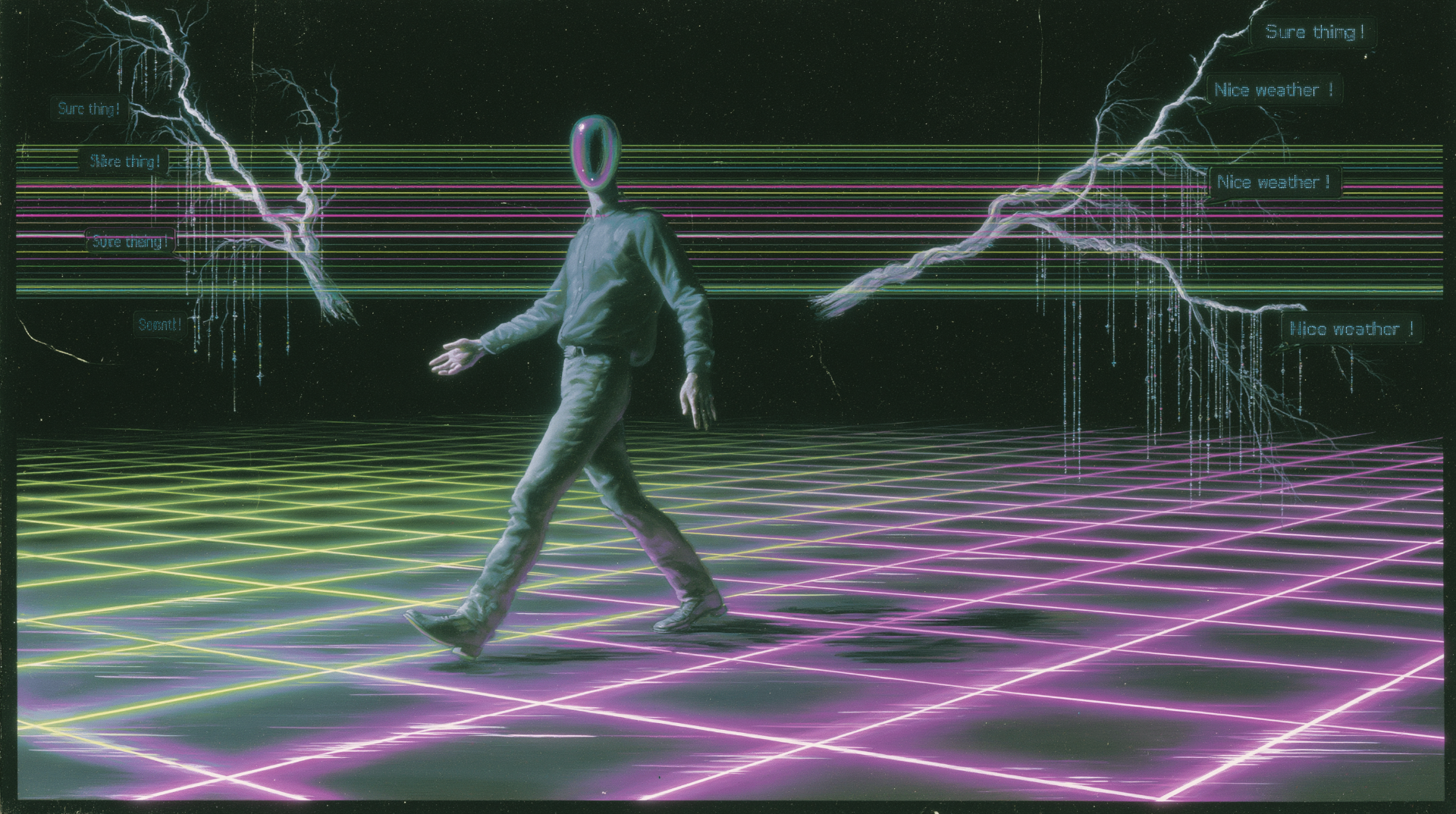
In 2023, a separate but related trend emerged: TikTokers performing as literal NPCs on livestream. Freezing mid-movement. Repeating short phrases — 'gang gang,' 'ice cream so good,' 'glitch' — in response to digital gifts sent by viewers. Resetting. Repeating. The performances were, on the surface, extremely strange. They were also, on reflection, one of the more honest things TikTok produced: a direct acknowledgment that the platform was already asking its creators to behave like NPCs, and that you might as well get paid for it.
YOU MIGHT ALSO ROT ON
ACADEMIC WEAPON VS. COOKED: THE DEFINING DICHOTOMY OF 2026
You are either one or the other at any given moment. The science behind the cycle, why the crash is inevitable, and what both states are actually telling you.
THE PRIZE FOR PROVING MONEY CORRUPTS PEOPLE WAS A PIECE OF WORTHLESS MONEY
the ig nobel economics prize went to five researchers for amassing evidence that upper-class people behave less ethically. the trophy was a ten-trillion dollar bill from zimbabwe. nobody planned that.
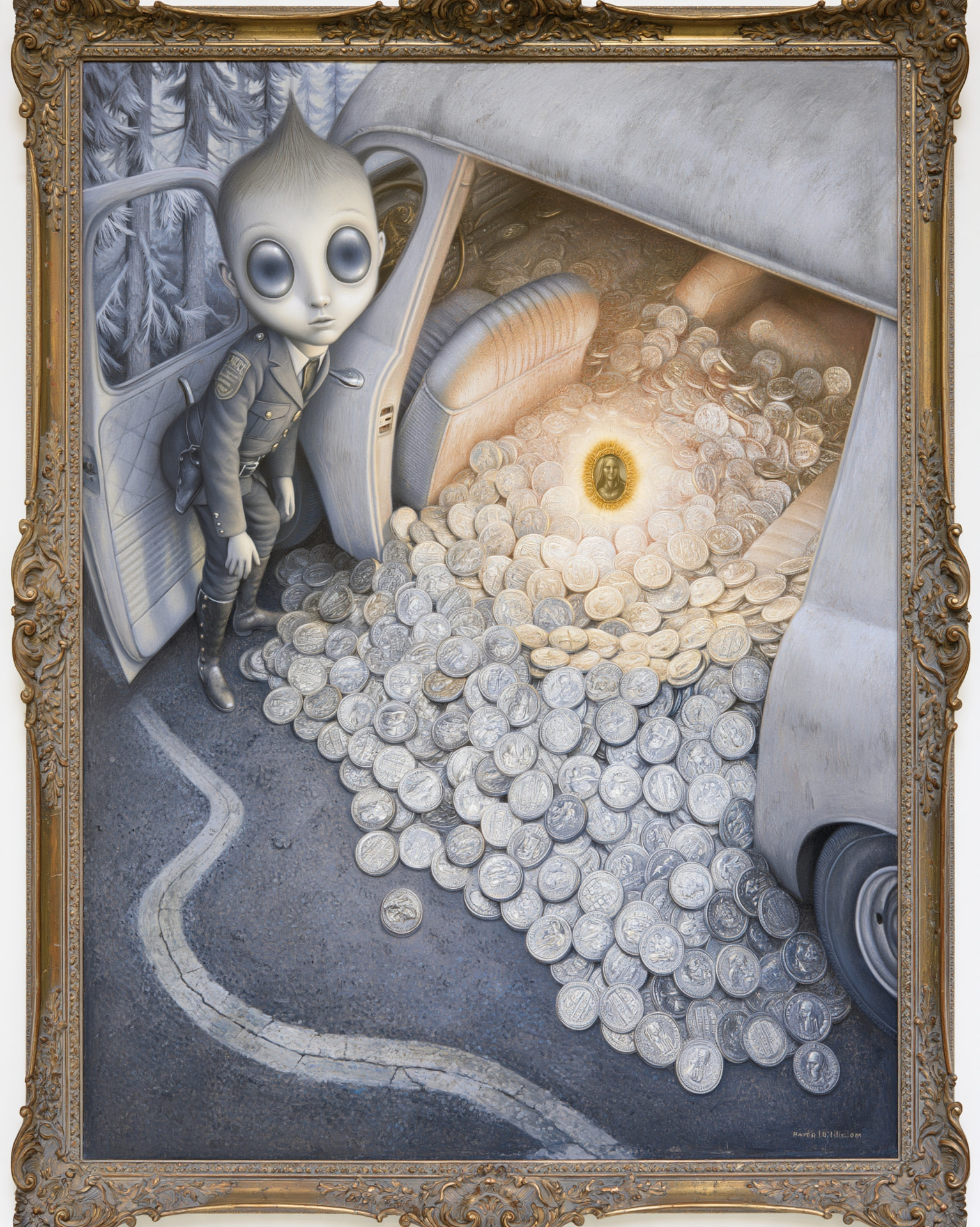
A VAN SWERVED ON A NORWEGIAN HIGHWAY AND ENDED A SEVEN-YEAR TREASURE HUNT
police stopped a van for driving erratically outside oslo. inside were tens of thousands of stolen american silver coins. a second van pulled up minutes later carrying the rest.